Tech Tips
The Obvious Questions Nobody Asks: Using AI to Write Better Procedures
The knowledge behind a good procedure usually sits in someone’s head. We explain how AI can ask the awkward questions, organise the answers into an approved template, and leave your people in charge of checking and approving the result.

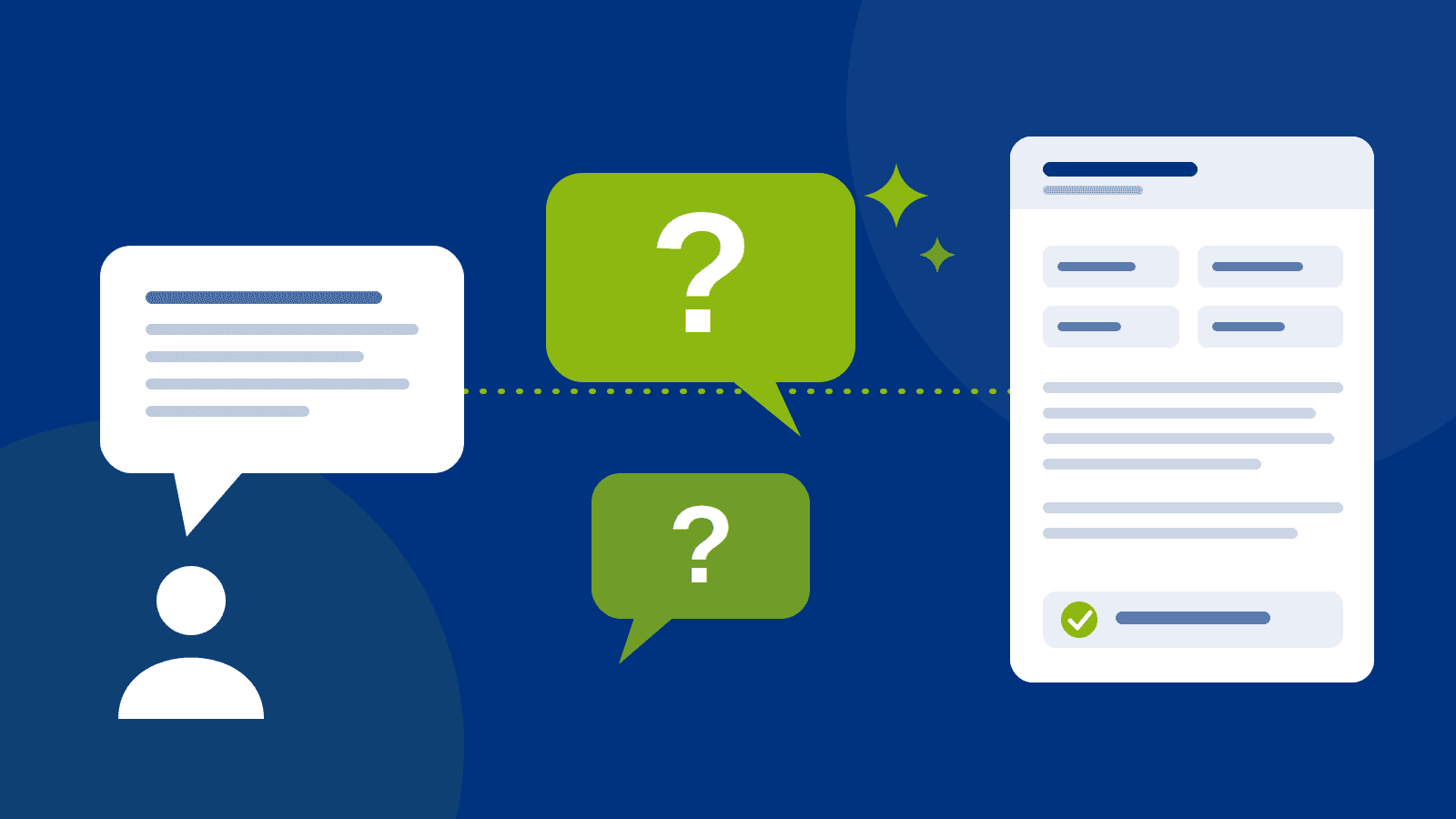
Every organisation has a colleague who simply knows how things get done. Ask them how a new supplier is approved, or what happens when a laptop goes missing, and you get a confident answer. Ask them to write it down and it takes three weeks, if it happens at all.
That gap is where most procedures go wrong. They are either never written, or they are written by someone so familiar with the process that the obvious steps get left out. A new starter would spot the holes straight away, because new starters ask the obvious questions. Who does this? How often? What happens if they are on holiday?
AI as the new starter in the room
In the Power Platform framework we have built, AI plays that part. Instead of staring at a blank page, the author describes the process in their own words. The AI asks follow-up questions, points out what is missing or unclear, and helps organise the answers into a structured document. Have a read of our blog "Written, Filed and Forgotten? Fixing Your Document Review Process with Power Platform Automation".
Say a draft states that suppliers must be approved before they are used. The AI asks who approves them, what checks are made, and what happens when someone needs to buy something urgently. Three questions, and a vague sentence turns into a procedure that someone else can follow.
Templates: the recipe card
Once the content is there, it goes into an approved corporate template. Think of a recipe card. The headings are always the same and in the same order, so whoever is cooking knows where to look. A template means every policy carries its owner, review date, version and approval record in the same place, and nobody loses an afternoon fixing formatting.
People stay in charge
AI can ask good questions and organise the answers. It cannot know whether the answers are true. Your employees supply the business knowledge, review the draft and confirm that it is accurate, and a named approver signs it off. It is the principle we describe in our post on keeping humans in the loop.
Where to start
Pick one procedure that everyone agrees is out of date, or was never written down. Run it through the process and see how many gaps the questions uncover. It is a small, visible way to see whether the approach suits your organisation before you commit to anything larger.
If you would like to talk about what this could look like for your own documents, drop us a line at our enquiries page or join us on LinkedIn. You can also read about our process automation and AI consultancy and Power Platform expertise.
MD
Mandy Doward
Managing Director
PTR’s owner and Managing Director is a Microsoft certified Business Intelligence (BI) Consultant, with over 35 years of experience working with data analytics and BI.
Latest Articles
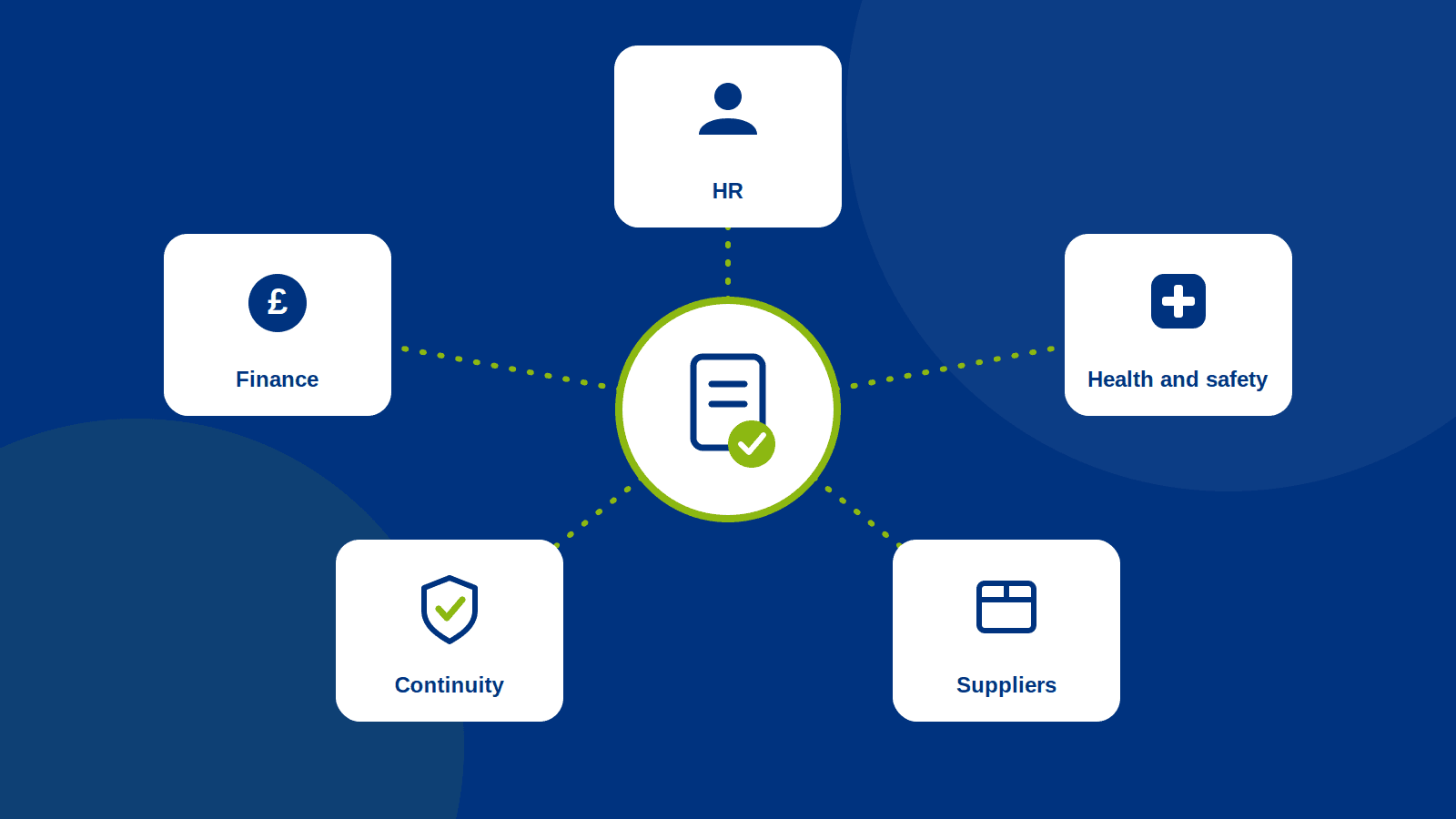
Same Framework, Different Documents: Five Places Process Automation Earns Its Keep
•︎Data Analysis
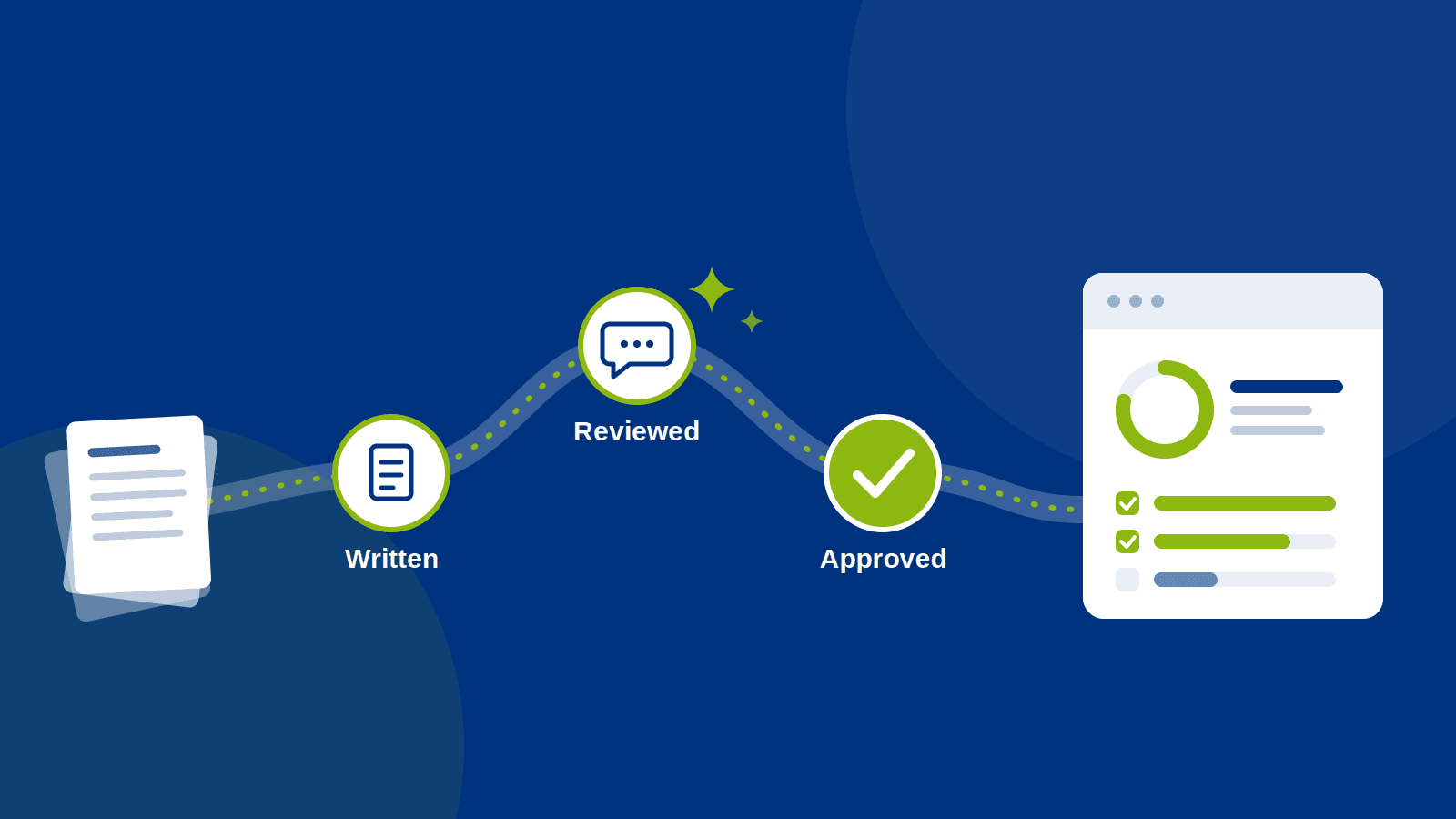
Written, Filed and Forgotten? Fixing Your Document Review Process with Power Platform Automation
•︎Data Analysis
Who Is Holding the Baton? Getting Document Ownership Right Before You Automate
•︎Data Analysis
Frequently Asked Questions
Couldn’t find the answer you were looking for? Feel free to reach out to us! Our team of experts is here to help.
Contact Us